
World Cup maths and English ideas to keep learning fun this summer
The summer months can sometimes bring a dip in children's confidence with maths and English. Homework finishes, routines change and many children switch off academically.
The good news is that learning doesn't have to stop!
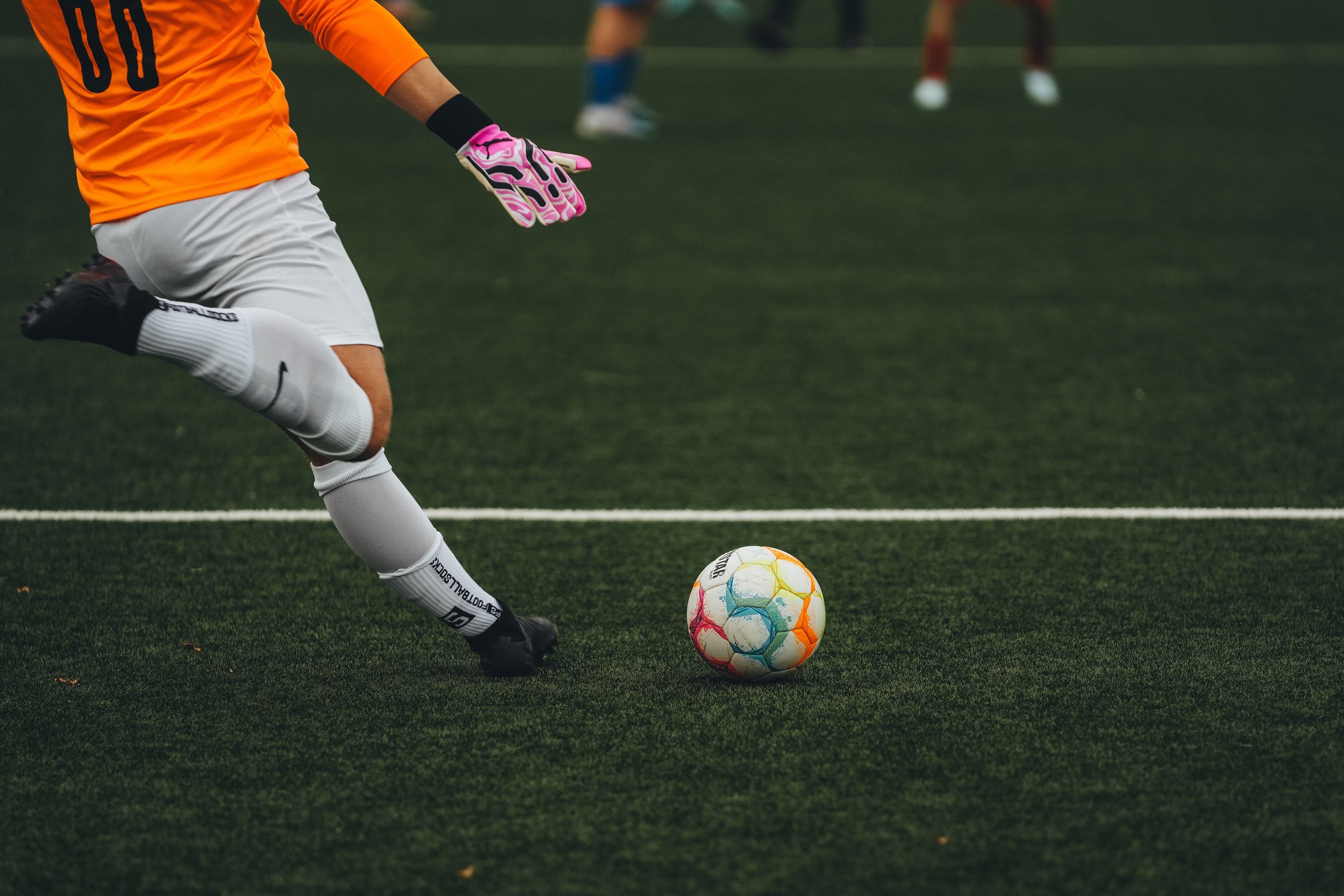
Major sporting events like the World Cup provide countless opportunities to practise important skills in a way that feels enjoyable rather than educational.
Maths through football
Football is full of numbers.
Children can practise addition by calculating points tables, subtraction by finding goal differences and multiplication by working out total goals scored across several matches.
Older children can explore percentages through possession statistics, calculate averages for goals per game or even investigate probability by predicting tournament outcomes.
Real-life maths is often far more engaging than pages of calculations.
English through football
Every match tells a story!
Encourage children to write a match report, interview a family member pretending to be the manager or create their own player profile.
Secondary pupils can analyse newspaper reports or television commentary, identifying persuasive language and considering how writers build excitement.
Reading about different countries taking part can also spark discussions about geography, culture and history.
Easy activities for primary children
Design a football shirt and write about it.
Keep a prediction journal.
Create a league table from family games in the garden.
Write a postcard from a World Cup host city.
Read facts about different countries and quiz each other.
Easy activities for secondary children
Analyse player statistics.
Compare teams using percentages and averages.
Write a balanced argument about who will win the tournament.
Research the history of the World Cup.
Produce a sports article using formal language and ambitious vocabulary.
Learning that feels natural
Children rarely remember worksheets years later, but they do remember family traditions and shared experiences.
Using something they already enjoy is one of the easiest ways to build confidence while keeping skills ticking over during the summer.
Who would have thought a football match might just become the perfect maths or English lesson?!