
When students freeze in exams and assessments – and what actually helps
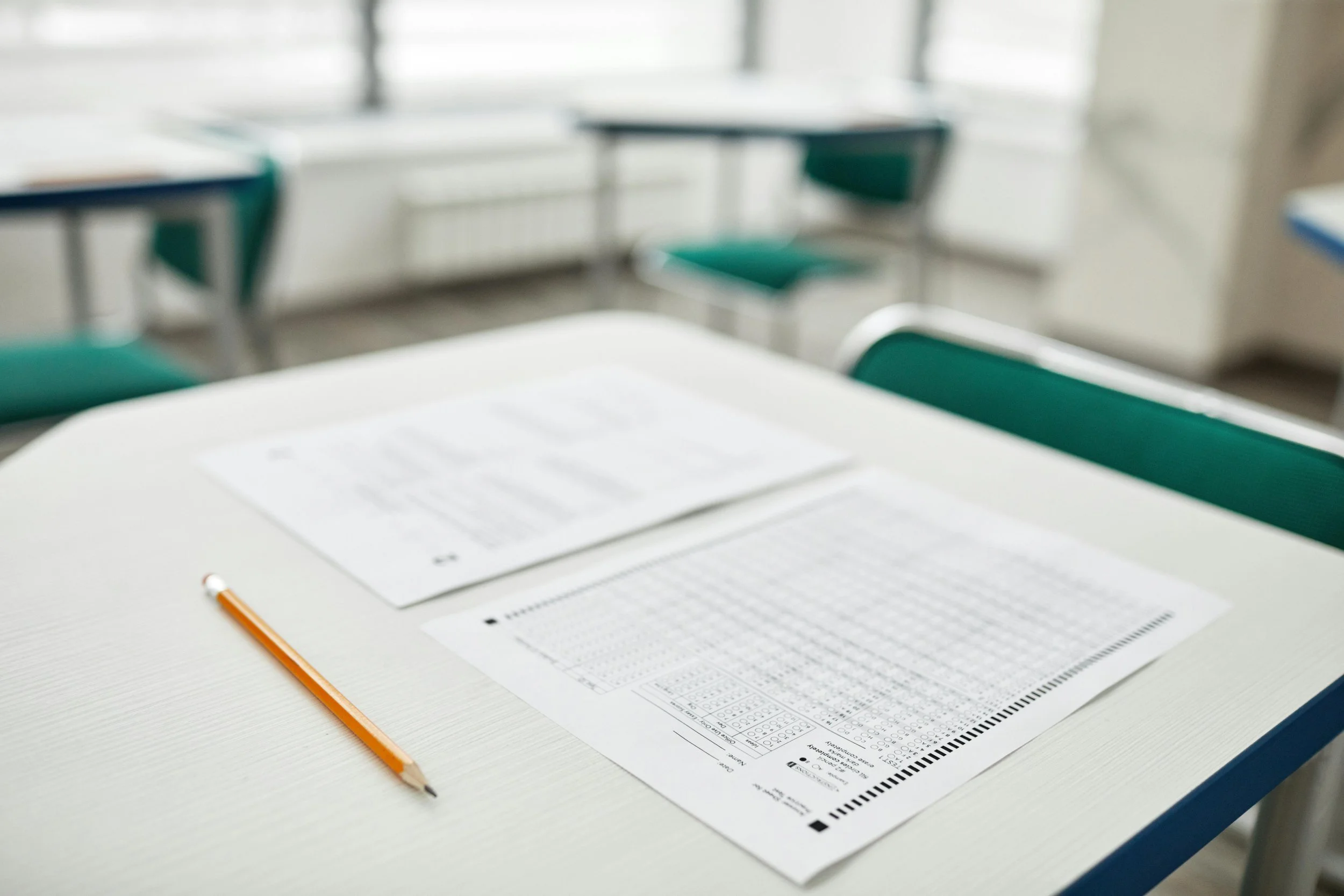
This week I’ve had several conversations with parents saying the same thing in slightly different ways:
“They know it at home, but in the test they just freeze.”
“They go blank as soon as the paper goes in front of them.”
“They panic and forget everything!”
If that sounds familiar, you’re not imagining it – and your child isn’t being lazy, careless or dramatic.
Freezing in exams and assessments is incredibly common, especially for children who care deeply about doing well.
What does “freezing” actually look like?
Freezing isn’t always obvious panic. It can show up as:
Staring at the page and not starting
Reading the same question over and over
Forgetting methods they use confidently at home
Rushing and making uncharacteristic mistakes
Feeling sick, tearful or overwhelmed
Shutting down and wanting to give up
At its core, freezing is a stress response. The brain shifts into survival mode, which makes accessing memory, problem solving and language much harder.
The important thing to know is this: it’s not a knowledge problem, it’s a regulation problem.
And that means there are things that help.
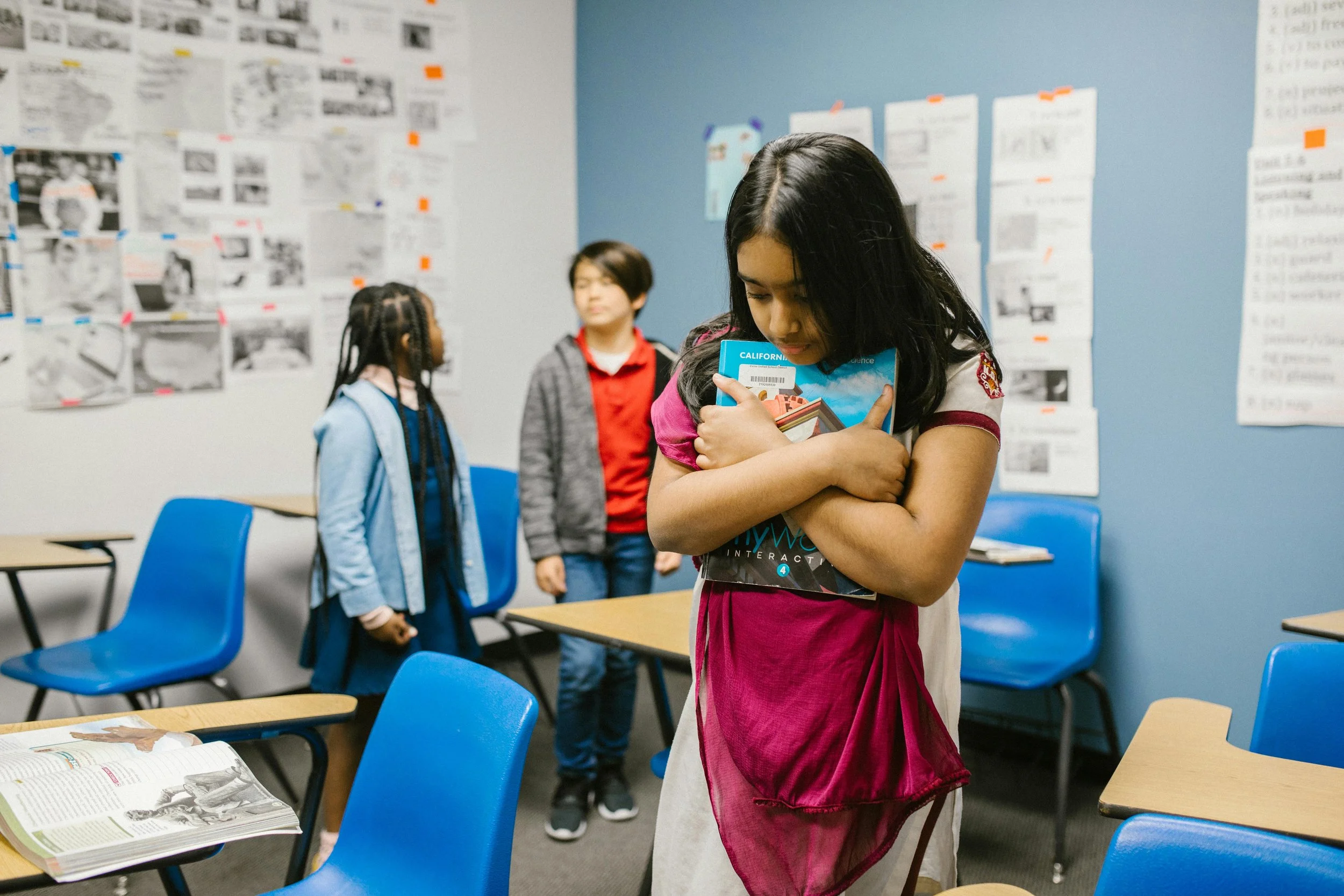
Tips for younger children (primary age)
Normalise the feeling
Let them know that feeling nervous or stuck is normal. Avoid phrases like “don’t worry” or “it’s easy” – these can make children feel worse if they are worried.
Try:
“Lots of people feel like this in tests.”
“Your brain is just trying to protect you.”
Practise starting, not finishing
For many children, the hardest part is getting going. At home, practise:
Answering just the first question
Writing one sentence
Doing one calculation
Starting builds momentum and confidence.
Teach a simple reset strategy
This could be:
A slow breath in through the nose and out through the mouth
Putting both feet flat on the floor and noticing them
Quietly counting to five
Keep it simple and practise it outside of test situations.
Make assessments feel familiar
Use low pressure “mini-tests” at home or in tuition:
Short
Timed gently
Followed by reassurance, not marking everything wrong
Familiarity reduces feelings of anxiety.
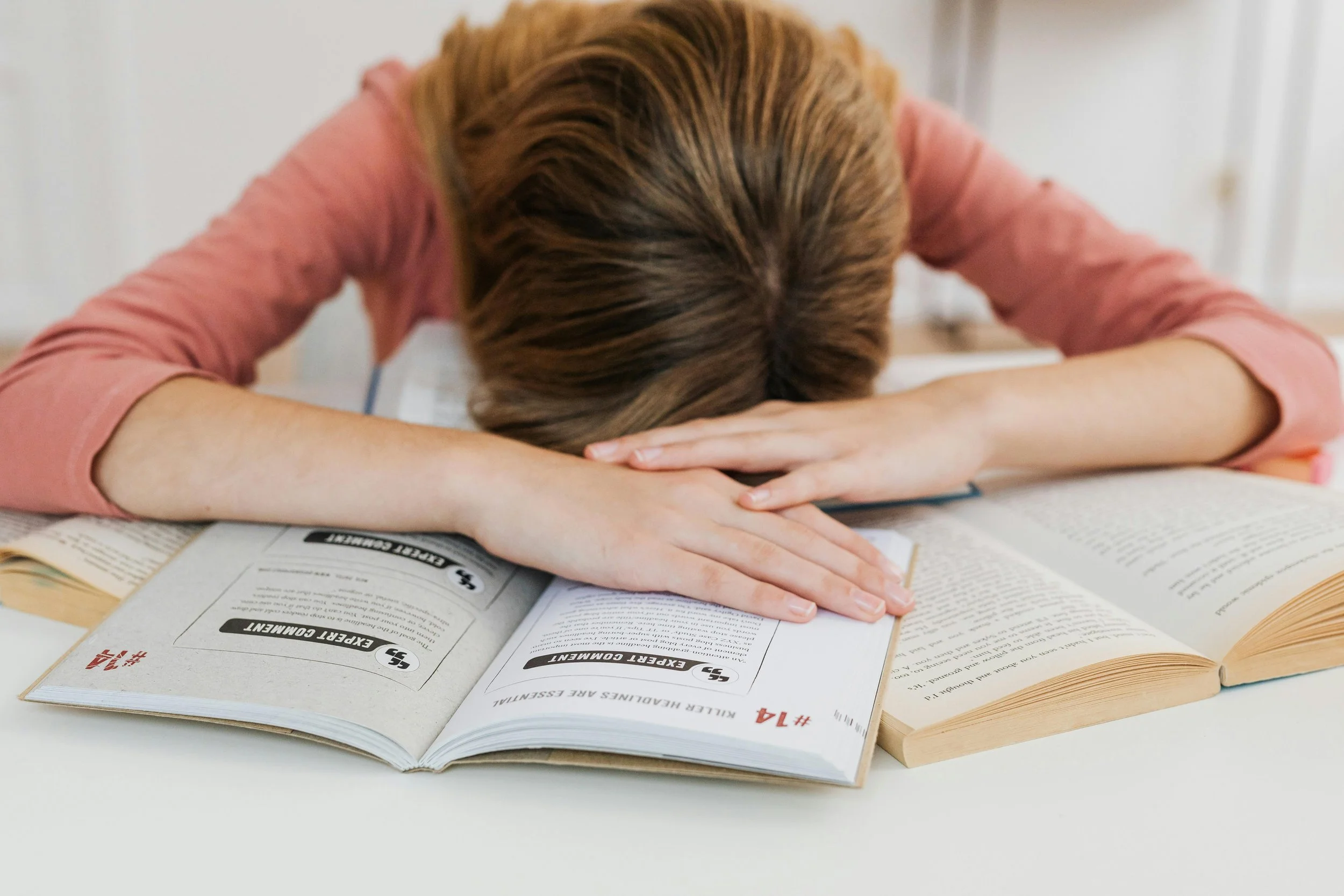
Tips for older children (upper KS2, KS3 and GCSE)
Name what’s happening
Older students often think freezing means they’re bad at the subject. Help them understand:
Stress blocks access to memory
Going blank doesn’t mean they don’t know it
Panic can lie
Just knowing this can reduce the spiral.
Have a plan for going blank
Instead of “try harder”, agree on a practical plan:
Skip the question and come back
Write down anything related to the topic
Start with the easiest question on the page
Action breaks that feeling of panic.
Practise under gentle pressure
Revision that only happens in calm conditions doesn’t prepare students for exam reality.
Build in:
Timed questions
Sitting at a desk, no phone
Working through discomfort, then reflecting
The aim isn’t stress, it’s tolerance.
Reframe mistakes
After assessments, focus on:
What they did manage
What helped them keep going
One thing to try differently next time
Avoid post exam interrogations. They rarely help.
A final reassurance
If your child freezes in exams, it doesn’t mean they’re not capable. In fact, it often means they care a lot and put pressure on themselves.
With the right support, strategies and reassurance, freezing can reduce over time. Confidence isn’t built by telling children to be confident; it’s built by helping them feel safe enough to try!