
What to do if your child panics before exams
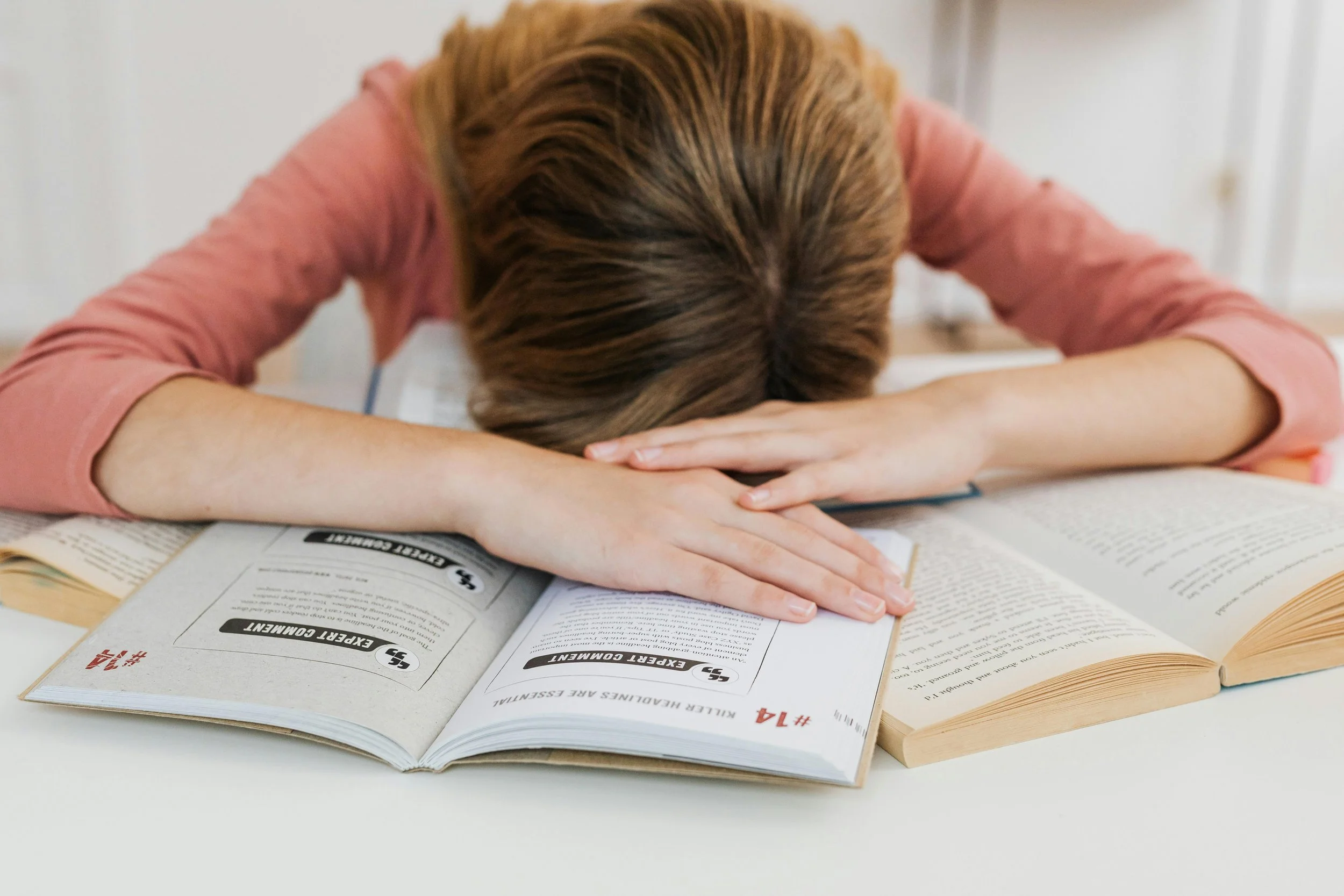
Whether your child is preparing for KS2 SATs, end of year assessments in secondary school or GCSE exams, exam panic can appear very suddenly. Some children seem completely fine for weeks and then become overwhelmed the night before a test. Others start worrying months in advance.
For parents, it can feel difficult to know how to help. You want to encourage them to try their best, but you also do not want to add pressure. You may find yourself walking a fine line between supporting revision and protecting your child’s wellbeing.
The important thing to remember is that exam anxiety is extremely common. It does not necessarily mean your child is unprepared or incapable. In fact, many hardworking and high achieving children experience panic before exams because they care deeply about doing well.
The good news is that there are practical ways to support children through this period without making exams feel like the centre of the universe.
Why children panic before exams
Exam stress looks different depending on the child’s age and personality.
Primary aged children may worry because exams feel unfamiliar or because they are hearing adults talk about SATs constantly at school and at home. Secondary school students often become more aware of comparisons, predicted grades and future pathways, which can increase pressure significantly.
Some common reasons children panic before exams include:
fear of failure
worrying about disappointing adults
comparing themselves to classmates
perfectionism
feeling underprepared
struggling with time management
previous negative experiences with tests
feeling overwhelmed by the amount of revision
pressure from social media or peers
lack of confidence in specific subjects
Sometimes children are not even able to explain exactly why they feel anxious. They simply know that exams feel scary and important.
What exam panic can look like
Not all children openly say they are anxious.
Some children become emotional and tearful, while others become angry, withdrawn or avoidant. Some may suddenly refuse to revise altogether.
Signs of exam anxiety can include:
trouble sleeping
headaches or stomach aches
loss of appetite
crying before school
irritability
panic attacks
constant reassurance seeking
saying “I’m going to fail”
avoiding revision
difficulty concentrating
becoming unusually quiet
over revising without taking breaks
For younger children, anxiety may show up through clinginess, emotional outbursts or refusing to go to school.
Recognising these signs early can help you step in before stress becomes overwhelming.
Stay calm, even when they are not
One of the most powerful things parents can do is remain calm themselves.
Children are incredibly sensitive to adult emotions. If home suddenly feels tense and everything revolves around revision schedules, scores and exam dates, children often absorb that pressure.
This does not mean pretending exams do not matter. It simply means avoiding turning them into something frightening.
Children benefit from hearing messages such as:
“Your effort matters more than perfection.”
“One test does not decide your future.”
“You are allowed to find this difficult.”
“We are proud of how hard you are working.”
Your calmness helps create emotional safety, especially when children feel overwhelmed themselves.
Avoid making revision the entire focus of home life
During exam season, it is easy for family life to become dominated by revision conversations.
Children can quickly start feeling as though every interaction revolves around schoolwork:
“Have you revised?”
“What grade did you get?”
“How many hours have you done?”
“What exam do you have tomorrow?”
Although these questions usually come from a place of care, they can increase stress significantly.
Children still need opportunities to feel normal during exam periods. Talking about hobbies, watching television together, going for walks or simply laughing as a family can help reduce anxiety and remind children that life exists outside of exams.
Help them create realistic revision routines
One of the biggest causes of panic is feeling overwhelmed by the amount of work ahead.
Many children either:
revise endlessly without breaks
oravoid revision completely because they do not know where to start
Both approaches increase anxiety.
Instead of focusing on long hours, help your child create manageable revision sessions.
For example:
25 to 40 minutes of focused revision
short breaks in between
one or two subjects per evening
realistic goals
regular downtime
Children often work far more effectively with shorter, structured revision than with hours of exhausted cramming.
Focus on active revision, not just re-reading
A lot of children panic because they spend hours “revising” but do not actually feel prepared.
Simply rereading notes or highlighting textbooks can create the illusion of revision without helping information stick.
More effective revision methods include:
practice questions
flashcards
teaching someone else
memory retrieval activities
quick quizzes
mind maps from memory
verbal explanations
past paper practice
When children can actively recall information, confidence usually improves.
Do not underestimate the importance of sleep
When children become anxious, sleep is often one of the first things affected.
Unfortunately, lack of sleep makes concentration, memory and emotional regulation much harder. This can quickly create a cycle where tired children panic more and then sleep even less.
Sleep is not wasted revision time. It is essential for learning.
Encourage:
regular bedtimes
reduced screen time before bed
stopping revision at a sensible hour
calm evening routines
A rested brain performs far better than an exhausted one.
Keep perspective around SATs, KS3 tests and GCSEs
Different exam stages bring different worries.
KS2 SATs
For primary children, SATs can feel enormous because they are often spoken about so frequently in school.
Children may believe:
secondary schools judge them entirely on SATs
they must achieve a certain score to succeed
adults will be disappointed if results are low
In reality, SATs are only one snapshot of attainment. Emotional wellbeing and confidence matter just as much during the transition to secondary school.
KS3 assessments
End of year exams in secondary school can sometimes catch families off guard because they are often the first experience of formal exam conditions.
Children may suddenly realise that revision strategies matter and that subjects are becoming more challenging.
This stage is often less about perfect results and more about developing:
organisation
revision habits
resilience
independence
GCSE exams
GCSEs naturally carry more pressure because they are linked to future courses, sixth forms and apprenticeships.
However, many GCSE students feel they must revise constantly to succeed. This can lead to burnout very quickly.
Teenagers still need:
sleep
exercise
social interaction
breaks
reassurance
encouragement
Children are not machines, even during GCSE season.
Be careful with comparisons
Comparison is one of the fastest ways to damage confidence during exam periods.
Children often already compare themselves to classmates constantly. Hearing additional comparisons at home can reinforce feelings of failure or inadequacy.
Try to avoid comments such as:
“Your friend seems organised.”
“Your sister never struggled with maths.”
“Other children are revising more.”
Every child learns differently. Some children appear calm while feeling extremely anxious internally. Others need more support with organisation or confidence.
Focus on your own child’s progress and needs instead.
What to do the night before an exam
The evening before an exam should focus on calmness rather than panic revision.
Helpful things to do include:
packing equipment
checking exam times
briefly reviewing key facts
eating a good meal
having downtime
encouraging an early night
Avoid:
testing them constantly
introducing new topics
forcing hours of revision
discussing worst case scenarios
Children need to enter exams feeling as calm and rested as possible.
Supporting a child during a panic moment
If your child becomes overwhelmed, avoid immediately jumping into problem solving.
Often children need emotional reassurance first.
Try:
speaking slowly and calmly
helping them slow their breathing
reminding them that panic feelings pass
focusing on one small next step
avoiding long lectures
reassuring them that they are safe
Phrases like:
“You do not need to figure everything out right now.”
“Let’s focus on the next small step.”
“Feeling nervous does not mean you will fail.”
can help children feel grounded again.
Finally…
Exams are important, but they are not the only measure of intelligence, potential or success.
Children remember how adults made them feel during stressful periods. Long after exam results are forgotten, they often remember whether they felt supported, understood and safe.
The goal is not to raise children who never feel nervous. The goal is to help them learn that they can cope with challenges, ask for support and keep going even when things feel difficult.
Whether your child is facing SATs, KS3 assessments or GCSEs, what they need most is not perfection.
They need calm, reassurance and someone firmly in their corner.